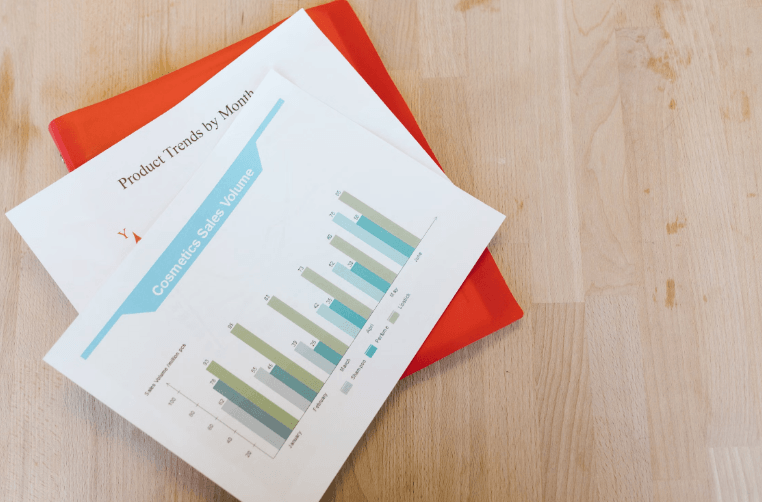
Marketing is one of the key areas that are necessary for growing a business, but without knowing how well the marketing campaigns are performing, the business cannot be sure that the marketing efforts are achieving anything of value. With marketing reporting, all the necessary information is presented in a clear and concise manner. It allows the business to find new openings, to see its weak points, and to take action. These are five reasons why marketing reporting should be a priority in any business strategy.
Understanding Brand Positioning
Good brand positioning makes it possible for a company to differentiate itself from its competitors and create an effective connection with its target audience. Information that is contained in marketing reports can be very useful since it highlights how customers feel about the brand, what message touches them, and where their priorities change. By analyzing such factors as engagement level, audience reactions, brand awareness, and customer sentiment, businesses will be able to determine whether or not the message aligns with their brand identity. This information also gives insights into the gap between customer expectations and real experience with the brand. When a business knows how its audience perceives its message, it will be easier for it to create proper positioning and messaging.
Evaluating Campaign Efficacy
All marketing campaigns must have objectives, whether lead generation, website traffic improvement, conversion rate optimization, or brand awareness expansion, in focus. Reporting makes it easier for people to decide whether the specific campaign elements are meeting their goals. With help from impressions, click-through rates, conversion rates, and acquisition cost analysis, people can find out which actions work and which need to be changed. Businesses, for example, that want to reach particular communities may find out whether local SEO is helping them become more visible, get more traffic from search engines, and receive customer inquiries.
Improving Analytics and Measurement
Accurate measurement plays a key role in the comprehension of marketing effectiveness. Otherwise, there may be a situation where decisions will be made under assumptions rather than facts. Through the introduction of an efficient reporting process, the data from the various marketing sources is aggregated in order to become visible for review and comparison purposes. Companies should invest in an efficient marketing analytics solution that brings together relevant metrics, highlights emerging patterns, and simplifies performance tracking. It makes it possible to see what customer journeys look like, what stages of the journey present difficulties, and what marketing efforts contribute to purchases. Reliable measurement also provides important benchmarks in order to be able to compare today’s performance with the previous one.
Strengthening Budget Management
Proper budget planning is necessary in order to make sure that money goes to activities that provide real value to the company. Using reports, it will be possible for companies to see how much they invest in particular channels and if such investment brings the desired result. In case companies compare the investment made and revenue received, lead quality, and cost of acquiring customers, they will be able to see where money is wasted and invest in more effective areas. This data is especially important if a company runs several marketing campaigns or operates in several regions. Instead of making assumptions regarding the allocation of resources, marketing departments will be able to rely on data.
See also: Better Brand Positioning: Proven Tips for Business Growth
Supporting Long-Term Strategic Planning
Not only does marketing reporting serve to appraise past marketing activities, but it can also be the basis for further planning efforts. The data on past marketing activities will enable companies to find out about seasonal trends, evolving consumer tastes, opportunities, and obstacles. This knowledge will help them to predict future events in the market and adapt their strategies accordingly. Reporting also helps to facilitate coordination between marketing divisions, sales forces, and top management due to a common view of goals and achievements. It is much easier to set reasonable goals and organize work when people have reliable information. Thus, it is possible to develop a flexible marketing strategy.
In conclusion, market reports turn performance information into business intelligence. Whether it is about enhancing positioning, optimizing budgeting, or making strategic plans, market reporting has many benefits that apply at all stages of marketing. Through analyzing and reacting to the right statistics, businesses can make smarter choices, boost campaign results, and lay the groundwork for further success.